Execution Stability Strategist
Execution breaks before companies do
I STEP IN WHEN CONTROL IS LOST
🞉 Multi-company founder 🞉 Real assets 🞉 Real scale

🞉 Multi-company founder 🞉 Real assets 🞉 Real scale
Most companies don't fail
from bad strategy.
They fail because execution becomes unstable under growth.
The signals are subtle.
By the time it shows up in performance, the gap is already embedded.
I don't advise from the outside.
I operate inside the pressure window where execution either stabilizes or breaks.
I'm not brought in early.
At this stage, the risk is no longer operational.
It becomes reputational and financial.
That's where I operate.
Every instability traces back to five breakdown points. When these fall out of alignment, execution becomes unpredictable. Not immediately. But inevitably.
Decision authority becomes unclear. Leadership becomes reactive rather than directive.
Operational signals degrade. Problems surface through crises, not early indicators.
Departments drift. Execution slows at the seams between teams and functions.
Leadership becomes overloaded. Critical decisions are delayed or avoided entirely.
Governance protocols erode under pressure. Standards become optional overhead.
My role is to identify where control has been lost and restore stability before failure compounds.
Multi-site operation under expansion pressure
Timeline collapse across dependent teams
Leadership escalation due to lack of visibility
Execution stabilized. Sequencing restored. Reporting realigned.
High-growth company with fragmented coordination
Strategic initiatives failing at execution layer
Board-level concern over delivery reliability
Control systems restructured. Decision flow restored.
Stable on paper, unstable in reality
Compounding delays masked by reporting gaps
Misalignment across departments
Control gap identified and corrected before performance impact.
I don't speak on motivation.
I speak on what happens when execution begins to break.
Delivered to leadership teams navigating the gap between where execution should be and where it actually is.
Advisory is not open access.
I work with a limited number of companies where the conditions below are present. This is not consulting. This is execution stabilization under pressure.
Execution failure carries material consequences — to capital, timelines, or board confidence.
Leadership is operating under real pressure, not theoretical concern.
The cost of instability already exceeds the cost of intervention.
If these conditions describe your organization, the conversation is worth having.
If your operation can tolerate failure, you don’t need this.
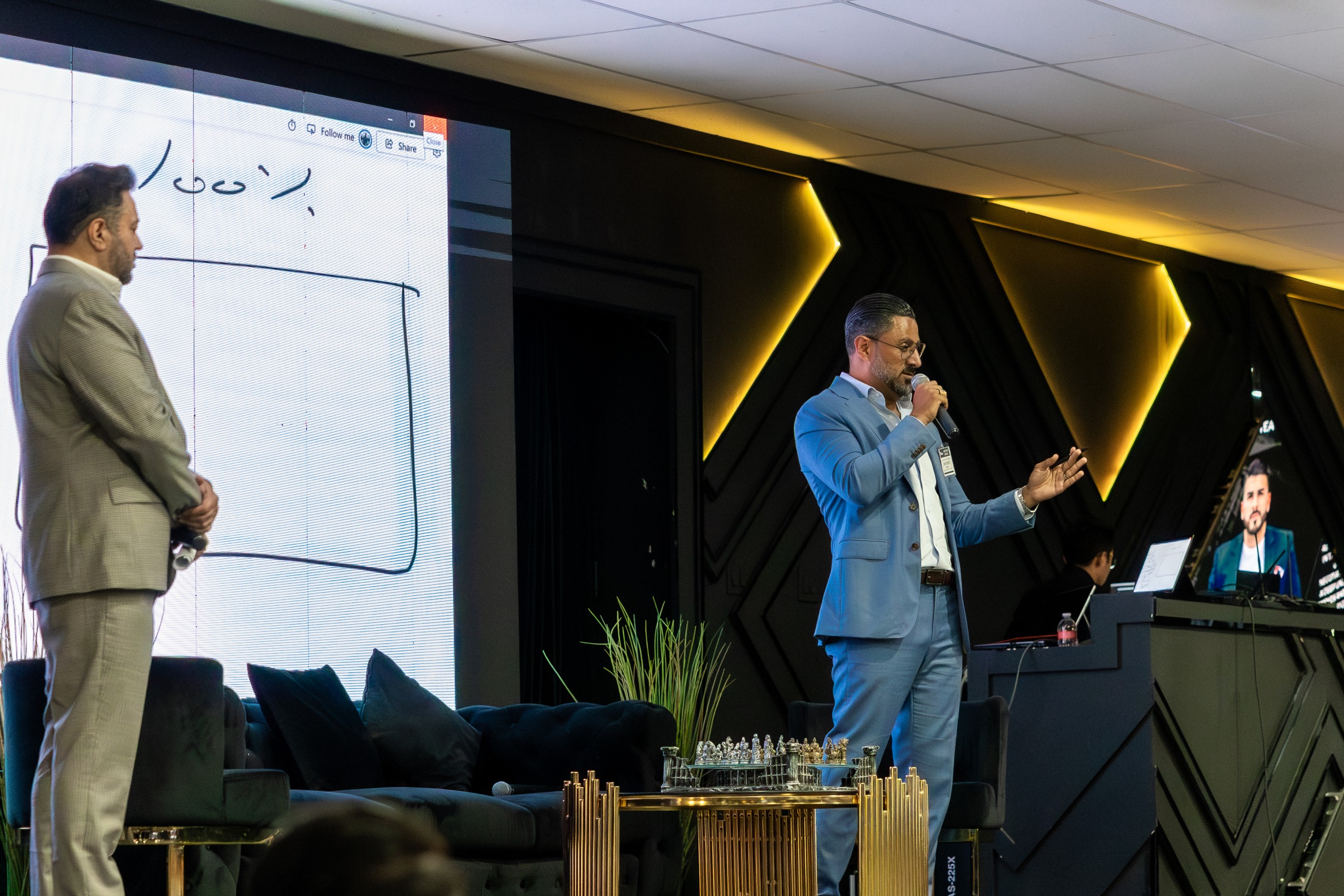
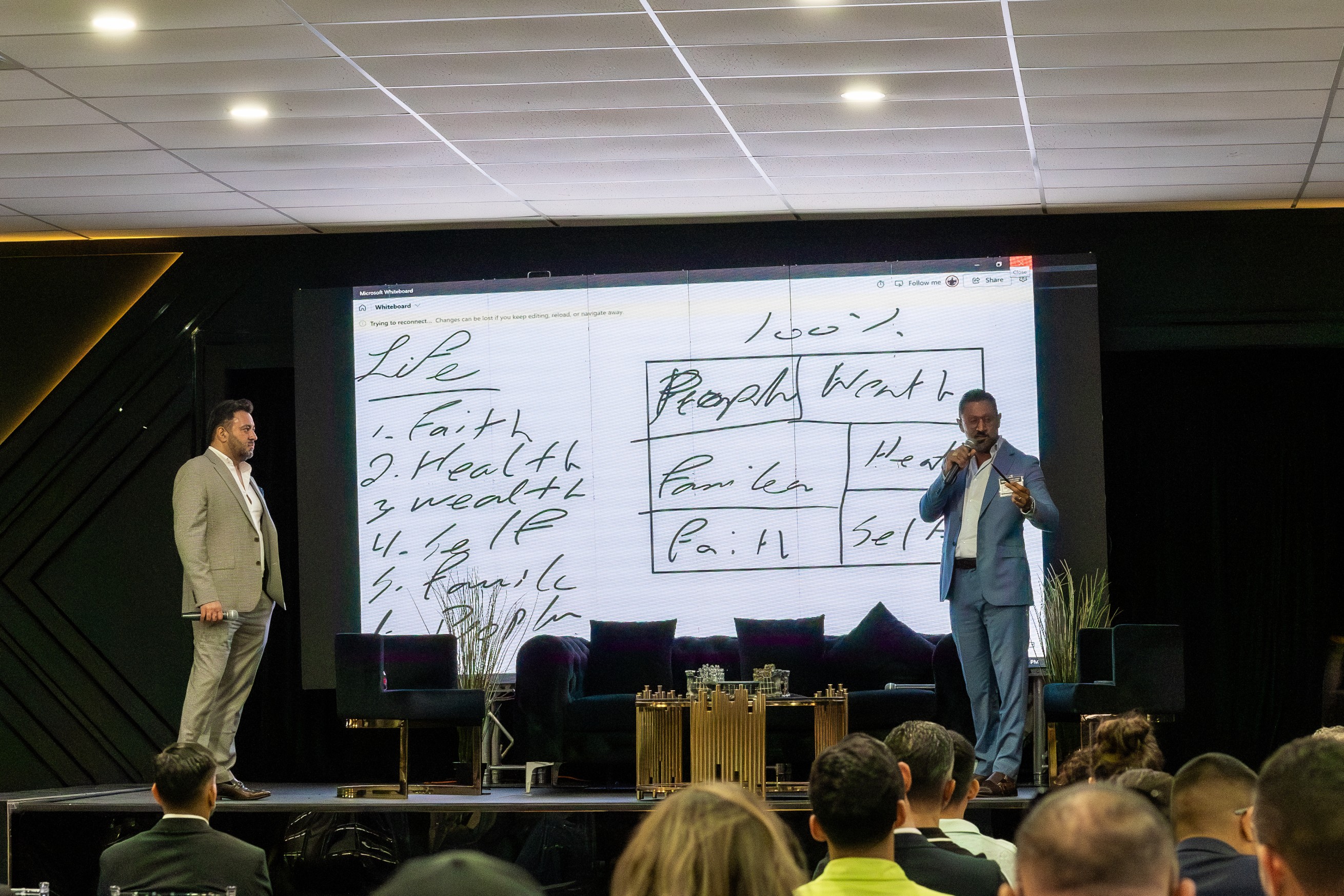
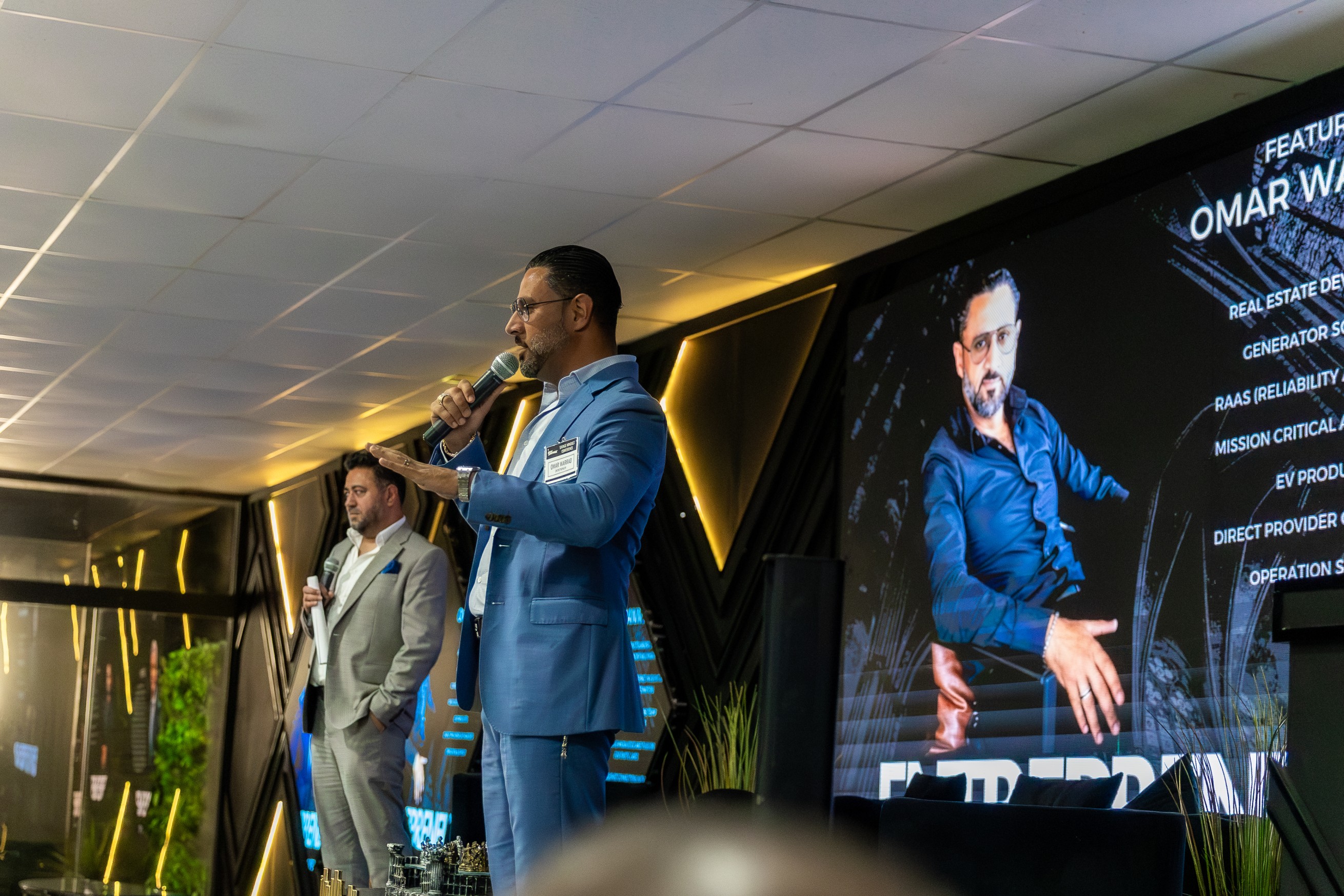
The inflection point where growth outpaces governance is rarely visible in real time. By the time leadership recognizes the Control Gap, it has already cost months of compounding dysfunction.
When the people at the top are operating at capacity, the cost is not measured in hours. It is measured in decision quality, strategic clarity, and organizational confidence.
Most leadership development focuses on strategy, vision, and culture. Very little addresses the operational architecture required to ensure those elements translate into reliable execution.
Boards celebrate revenue growth. Rarely do they audit governance maturity in parallel. When governance lags revenue, the organization is building on a foundation that has already started to erode.
Omar Warrad on why the most durable businesses are built on operational architecture and governance frameworks that scale — not on vision decks.
A deep-dive conversation on why most companies fail at scale — and the five-pillar framework used to diagnose and close the Control Gap.
By then, options are limited.
If you're already seeing signs of execution drift,
you're not early. You're right on time.
Engagements are limited and selective. Submit your inquiry and the team will respond within 48 hours.
If the conditions are not right for an engagement, you will be told directly.